
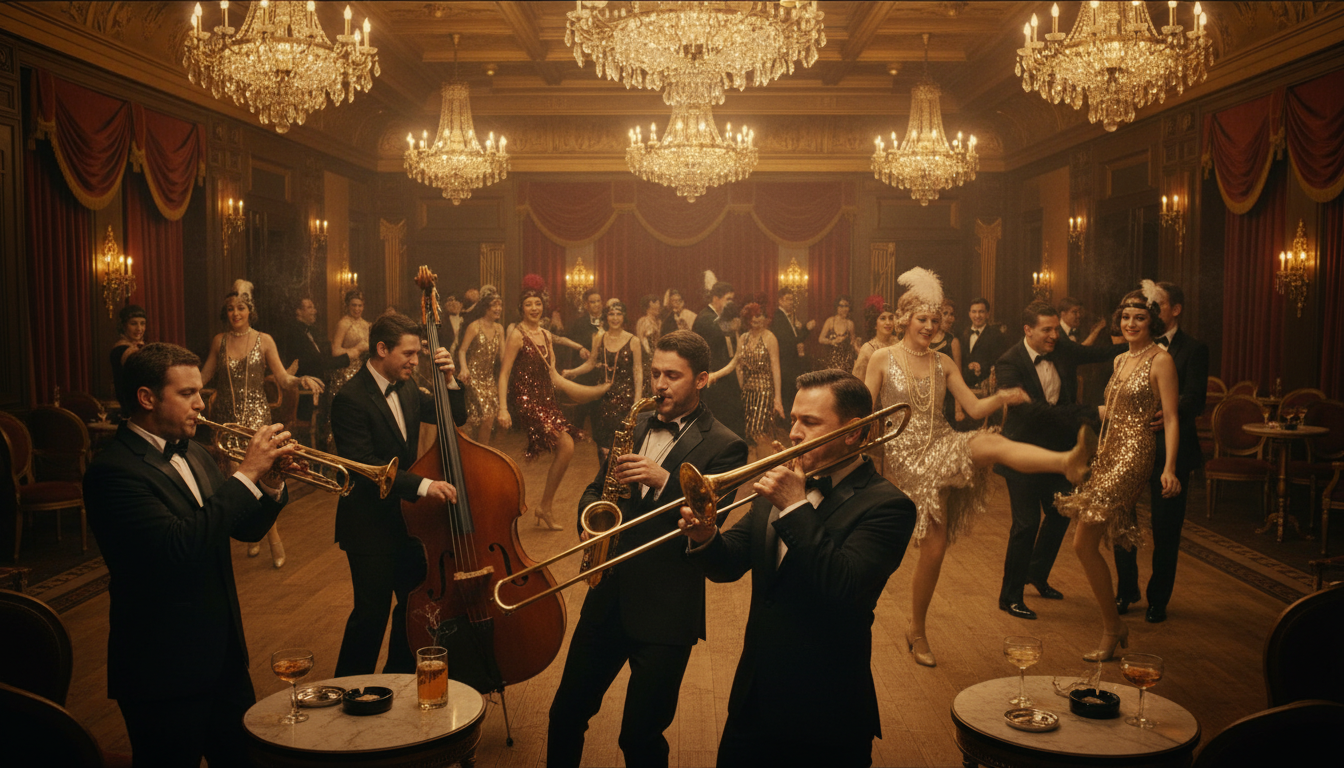
The 1920s represented a transformative period in American cultural history, marked by unprecedented economic prosperity, technological innovation, and social liberation. We examine this remarkable decade through the lens of entertainment and leisure, exploring how the Jazz Age fundamentally altered the ways ordinary people sought relaxation and enjoyment, from the speakeasies and dance halls that echoed with jazz to the thrilling new forms of public amusement—a spirit of playful discovery and chance that finds a modern echo in the thematic adventures of games like the Wild bounty showdown slot machine.The Rise of Jazz Music and Dance Halls
Jazz music emerged as the defining soundtrack of the 1920s, originating from African American communities in New Orleans before spreading rapidly throughout the United States and beyond. We recognize this musical revolution as more than mere entertainment; it represented a cultural uprising that challenged traditional Victorian sensibilities and introduced syncopated rhythms, improvisation, and emotional expressiveness that captivated audiences across racial and economic boundaries.
Dance halls proliferated in urban centers, transforming into vibrant social spaces where young people congregated to experience the latest jazz performances. The Cotton Club in Harlem, the Savoy Ballroom, and countless smaller venues became epicenters of cultural exchange. We observe that these establishments offered working-class and middle-class Americans affordable access to professional entertainment, creating democratized spaces for leisure that had previously been unavailable to most citizens.
The dances themselves reflected the era's spirit of liberation and experimentation. The Charleston, the Shimmy, the Black Bottom, and the Lindy Hop became national sensations, characterized by energetic movements, close partner dancing, and athletic footwork that scandalized older generations while thrilling younger participants. We note that these dances required minimal instruction, allowing spontaneous participation and social mixing that broke down traditional class barriers within entertainment venues.
The Motion Picture Revolution
The film industry experienced explosive growth during the 1920s, transitioning from nickelodeon novelties to sophisticated narrative productions that attracted millions of weekly viewers. We document that by the decade's end, approximately 90 million Americans attended movie theaters each week, representing a significant portion of the total population and establishing cinema as the dominant form of mass entertainment.
Hollywood studios perfected the star system, creating larger-than-life personalities whose images appeared on screen and in countless promotional materials. Clara Bow, Rudolph Valentino, Charlie Chaplin, Buster Keaton, and Gloria Swanson became household names, embodying aspirational lifestyles that ordinary Americans could vicariously experience through their performances. We recognize that movie palaces transformed the viewing experience into spectacular events, with ornate architecture, live orchestras, and theatrical presentations that elevated cinema attendance into a prestigious social activity.
The introduction of synchronized sound in 1927 with "The Jazz Singer" revolutionized the medium once again, though most 1920s filmgoers experienced silent pictures accompanied by live musical performances. We emphasize that these silent films transcended language barriers, creating truly universal entertainment that appealed to immigrant communities and native-born Americans alike.
Radio Broadcasting and Home Entertainment
Radio technology emerged as a transformative force in American leisure, bringing entertainment directly into private homes for the first time in history. We trace the medium's rapid expansion from experimental broadcasts in 1920 to over 600 commercial stations by 1929, creating networks that connected disparate communities through shared programming experiences.
Radio programming offered remarkable diversity, including live music performances, comedy shows, dramatic serials, educational lectures, sports broadcasts, and news reports. We observe that families gathered around radio receivers for evening entertainment, establishing new domestic rituals that centered around scheduled broadcasts. This home-based entertainment complemented rather than replaced public leisure activities, creating additional options for relaxation that accommodated different preferences and economic circumstances.
The phonograph similarly brought recorded music into American homes, with sales of records and playback devices reaching unprecedented levels throughout the decade. We note that technological improvements in recording quality and mass production techniques made these devices increasingly affordable, allowing middle-class families to build personal music collections featuring popular jazz recordings, classical compositions, and novelty songs.
Spectator Sports and Athletic Entertainment
The 1920s witnessed the transformation of professional sports into major entertainment industries, with athletes achieving celebrity status comparable to film stars and musicians. We document that baseball attendance reached record levels, with stars like Babe Ruth becoming national icons whose exploits were followed obsessively through newspaper coverage and radio broadcasts.
Boxing matches drew enormous crowds and generated substantial revenue, with championship fights becoming major cultural events that captivated public attention. The Jack Dempsey versus Gene Tunney bouts attracted over 100,000 spectators and millions of radio listeners, demonstrating the massive appeal of athletic competition as entertainment. We recognize that these events transcended mere sporting contests, becoming shared cultural experiences that united diverse populations in common interest.
College football similarly emerged as a massively popular spectator sport, with universities constructing enormous stadiums to accommodate growing crowds. Red Grange and other college stars became national celebrities, and rivalry games attracted tens of thousands of fans willing to pay premium prices for tickets. We emphasize that sports attendance offered working-class and middle-class Americans opportunities to participate in exciting communal experiences that provided temporary escape from daily routines.
Nightclubs and Speakeasies During Prohibition
The passage of the Eighteenth Amendment and the Volstead Act in 1920 paradoxically contributed to the expansion of nightlife entertainment by creating underground drinking establishments that combined alcohol service with musical performances and social interaction. We acknowledge that speakeasies ranged from elegant nightclubs patronized by wealthy socialites to modest neighborhood establishments serving working-class customers, but all shared the common feature of providing spaces for relaxation that defied legal restrictions.
These establishments employed jazz musicians, dancers, and entertainers who found steady work despite the illegal nature of the venues. We observe that the forbidden nature of speakeasies added excitement and adventure to leisure activities, transforming simple acts of drinking and socializing into rebellious statements against government overreach. The need for secrecy and the constant threat of police raids created atmospheres of camaraderie among patrons who shared complicity in illegal activities.
Reading and Literary Entertainment
The 1920s experienced significant growth in literacy rates and access to printed materials, expanding reading as a popular leisure activity. We document that mass-market publishing techniques made magazines, newspapers, and books increasingly affordable, while lending libraries provided free access to literature for economically disadvantaged readers.
Popular magazines like The Saturday Evening Post, Collier's, and Liberty featured serialized fiction, entertaining articles, and abundant illustrations that appealed to broad audiences. Pulp magazines catering to specific interests proliferated, covering topics ranging from detective stories to science fiction to romance narratives. We recognize that these publications offered portable, affordable entertainment that individuals could enjoy during commutes, breaks from work, or quiet evenings at home.
The decade produced remarkable literary achievements from authors including F. Scott Fitzgerald, Ernest Hemingway, and Sinclair Lewis, whose works captured the era's spirit while providing entertainment through compelling narratives and memorable characters. We note that even serious literature reached substantial audiences through book clubs, serialization in magazines, and word-of-mouth recommendations that made reading a social activity as well as a solitary pleasure.
Outdoor Recreation and Leisure Activities
Increased automobile ownership transformed recreational possibilities for millions of Americans, enabling day trips, weekend excursions, and vacation travel that had been impractical or impossible in previous eras. We observe that families visited beaches, parks, and countryside destinations, participating in picnics, swimming, hiking, and camping activities that provided inexpensive relaxation away from urban environments.
Public parks expanded their offerings with tennis courts, swimming pools, baseball diamonds, and playground equipment that democratized access to recreational facilities. We document that municipal governments increasingly recognized leisure as essential to public health and social welfare, investing in infrastructure that supported diverse activities for residents of all ages and economic backgrounds.
Golf, previously an elite pastime, became more accessible as public courses opened and equipment costs decreased. Similarly, recreational swimming gained popularity with the construction of public beaches and pools, challenging Victorian modesty standards as swimwear became less restrictive and mixed-gender swimming became socially acceptable.
The Cultural Impact of Jazz Age Entertainment
We recognize that 1920s entertainment fundamentally altered American cultural patterns, establishing precedents and expectations that continue influencing contemporary leisure activities. The decade normalized commercial entertainment as essential rather than frivolous, created mass audiences for cultural products, and demonstrated that leisure industries could generate substantial economic activity while providing social benefits.
The integration of technology into entertainment established patterns that accelerated throughout the twentieth century, with each new medium building upon previous innovations while creating unique affordances and experiences. We observe that the 1920s established entertainment industries as significant employers and economic drivers, creating professional opportunities for performers, technicians, writers, and business professionals.
The era's emphasis on youth culture, liberation from Victorian constraints, and celebration of modernity through entertainment created lasting changes in social attitudes toward leisure, pleasure, and personal expression. We conclude that understanding how people relaxed during the Jazz Age provides essential context for comprehending contemporary entertainment industries and the cultural significance Americans continue to assign to leisure activities.